Beginners Sourdough bread recipe: High starter method
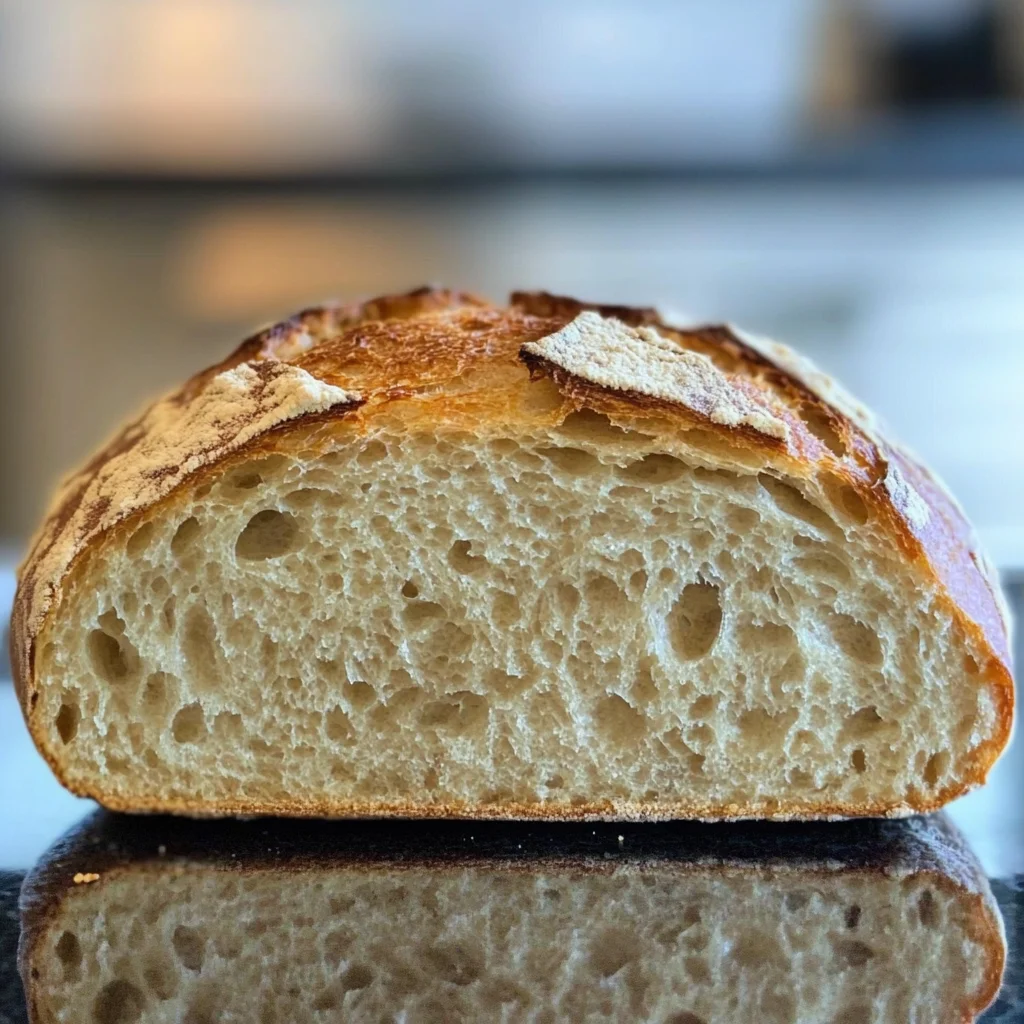
This Beginners Sourdough Bread Recipe: High Starter Method is perfect for those who want to create a delicious loaf of bread with little fuss. With a generous amount of sourdough starter, this recipe accelerates the rising process, making it easier for beginners to achieve bakery-quality bread at home. Whether for breakfast, lunch, or dinner, this bread complements any meal and is sure to impress family and friends.
Why You’ll Love This Recipe
- Easy to Follow: This recipe simplifies sourdough baking, making it perfect for novices.
- Quick Rise: The high starter method ensures your dough rises faster than traditional methods.
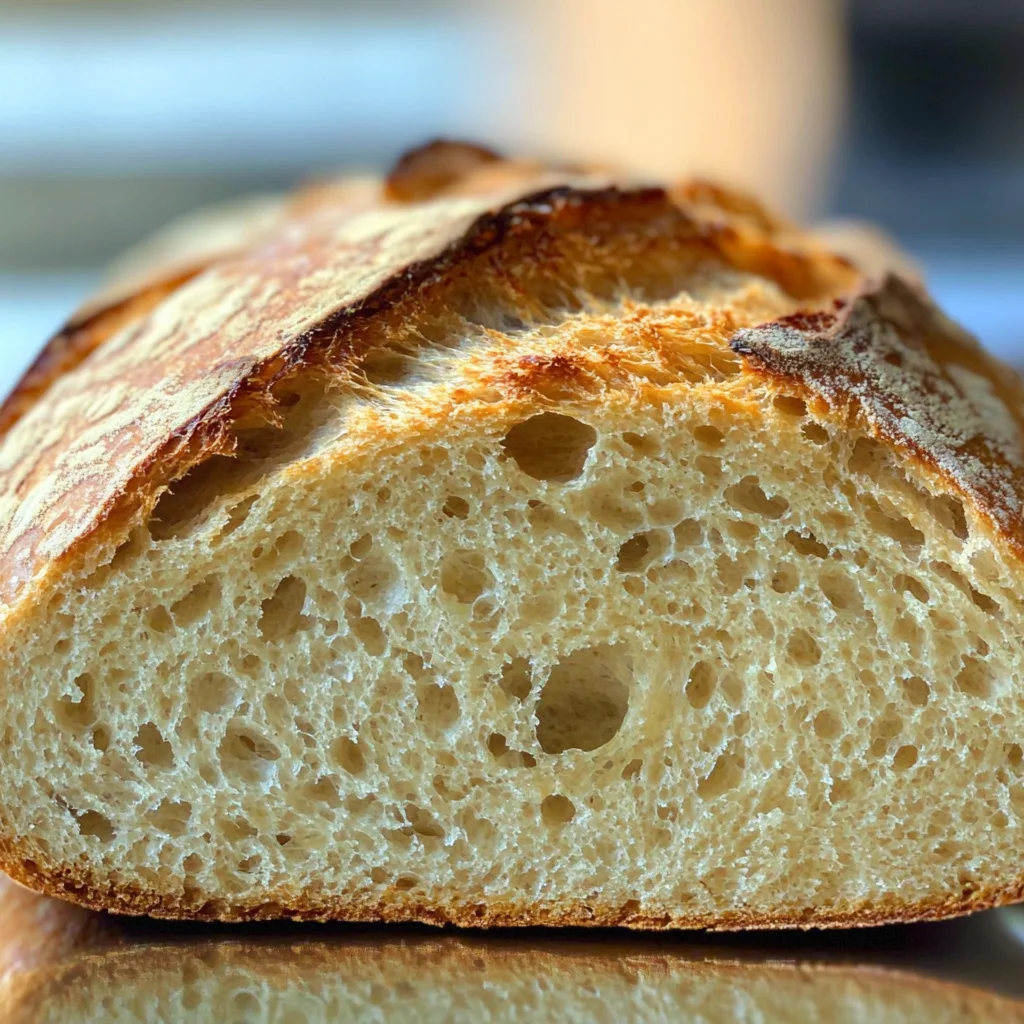
- Flavorful Crust: Achieve a crispy crust that contrasts beautifully with the soft interior.
- Versatile: Enjoy it plain, toasted, or as the base for sandwiches.
- Impressive Presentation: Your homemade loaf will look stunning on any dining table.
Tools and Preparation
To make the best sourdough bread, you’ll need a few essential tools that help ensure success in every step of the process.
Essential Tools and Equipment
- Mixing bowl (non-metal)
- Whisk
- Large spoon
- Clean kitchen towel
- Proofing basket or towel
- Parchment paper
- Dutch oven
Importance of Each Tool
- Mixing Bowl: A non-metal bowl prevents reactions with the acidic dough, ensuring optimal fermentation.
- Dutch Oven: Creates steam while baking, resulting in a crusty exterior and fluffy interior.
Ingredients
For the Dough
- 2 cups Active Sourdough Starter (400 grams) (active and bubbly, made from equal parts flour and water)
- 3 cups Sifted All-Purpose Flour (360 grams)
- 1 cup Warm Water (240 grams)
- 1.5 teaspoons Salt (≈9 grams)
How to Make Beginners Sourdough Bread Recipe: High Starter Method
Step 1: Prepare the Starter
In a large mixing bowl (not metal), add 2 cups (400 grams) of active sourdough starter. Ensure your starter is bubbly by feeding it and keeping it out of the fridge for at least 4 hours or overnight.
Step 2: Combine Ingredients
Add 1 cup of warm water to the starter and whisk until well combined. Then include 3 cups of sifted flour and 1.5 teaspoons of salt. Mix with a large spoon until you achieve a wet and biscuit-like dough.
Step 3: First Rise
Cover this shaggy dough with a clean damp kitchen towel. Let it rest in a warm place for about 2 hours or in an oven set to around 80 degrees Fahrenheit for about an hour.
Step 4: Stretch and Fold – First Round
After rising, uncover the dough. With wet hands, pick one side and fold it over itself. Rotate the bowl 90 degrees and repeat this process on all four sides of the dough. Cover again with a towel and let rise for about 45 minutes.
Step 5: Stretch and Fold – Second Round
Uncover your dough once more, wet your hands, and repeat the stretch and fold technique as described in Step 4. Allow it to rise again until doubled in size.
Step 6: Stretch and Fold – Third Round
Repeat the stretching process again. The dough will become smoother with each fold. Cover it again and allow it to rise until doubled.
Step 7: Stretch and Fold – Fourth Round
For the final stretch, follow the same folding method as before. The dough should now be fluffy! After this step, shape your dough into a round loaf.
Step 8: Prepare for Proofing
Dust a proofing basket or towel generously with flour. Place your shaped sourdough ball into it, dusting the top with more flour before covering with a clean towel.
Step 9: Refrigerate
Place your covered sourdough bowl into the refrigerator to chill for about 4-8 hours.
Step 10: Preheat Oven
Preheat your oven to 400 degrees Fahrenheit along with your Dutch oven inside.
Step 11: Prepare Parchment Paper
Cut a section of parchment paper about two feet long and place it on your counter.
Step 12: Transfer Dough
Gently turn out your chilled sourdough ball onto the parchment paper.
Step 13: Score Your Dough
Using a very sharp knife or razor blade, score a design into the top of your dough to help control how it expands while baking.
Step 14: Bake Covered
Remove your hot Dutch oven from the preheated oven. Lift the raw sourdough loaf using the parchment paper ends into the Dutch oven. Cover with its lid and bake for 25 minutes.
Step 15: Bake Uncovered
After removing the lid from your Dutch oven, continue baking uncovered for another 25 minutes until golden brown.
Final Steps
Once baked, let cool before slicing into your homemade sourdough bread. Enjoy! If you have any questions or feedback about this recipe, feel free to leave them in the comments!
How to Serve Beginners Sourdough bread recipe: High starter method
Serving your freshly baked sourdough bread can enhance the meal experience. This versatile bread pairs well with a variety of dishes and spreads that complement its crusty exterior and soft interior.
With Spreads
- Butter – A classic choice, spreading a pat of butter on warm bread melts it into a delightful treat.
- Avocado – Mash ripe avocado with a sprinkle of salt and pepper for a creamy topping that adds healthy fats.
- Hummus – Spread your favorite hummus for a protein-packed option that brings flavor and texture.
As Sandwiches
- Turkey Sandwich – Use slices of turkey, lettuce, and your favorite condiment for a hearty lunch.
- Veggie Delight – Layer grilled vegetables and cheese for a delicious vegetarian sandwich option.
- Chicken Salad – A scoop of chicken salad between two slices makes for an easy yet satisfying meal.
With Soups
- Tomato Soup – Serve alongside a warm bowl of tomato soup for the perfect comfort food combo.
- Chili – Enjoy with a hearty chili to soak up all those rich flavors.
How to Perfect Beginners Sourdough bread recipe: High starter method
Perfecting your sourdough bread takes practice, but these tips can help you achieve great results every time.
- Use Active Starter – Ensure your sourdough starter is bubbly and active before using. This will enhance the rise and flavor.
- Control Temperature – Keep the dough in a warm place while it rises to promote fermentation and prevent stalling.
- Knead Gently – When mixing, avoid over-kneading. You want to combine the ingredients without making the dough too tough.
- Be Mindful of Hydration – Adjust water or flour based on humidity levels. Too sticky? Add more flour; too dry? Add more water gradually.
- Score the Dough – Use a sharp knife to score designs on top before baking. This allows steam to escape and helps shape the loaf.
- Let it Cool Completely – Allow your bread to cool before slicing. This helps set the crumb structure and improves flavor.
Best Side Dishes for Beginners Sourdough bread recipe: High starter method
Pairing side dishes with your sourdough can elevate any meal. Here are some excellent options that complement its flavors beautifully.
- Garden Salad – A fresh mix of greens, tomatoes, and cucumbers tossed in vinaigrette balances the richness of sourdough.
- Roasted Vegetables – Seasonal vegetables drizzled with olive oil and roasted until tender add warmth to your meal.
- Garlic Mashed Potatoes – Creamy potatoes with garlic make for indulgent comfort food that pairs perfectly with sourdough.
- Creamy Polenta – Soft polenta served as a side provides a creamy texture that contrasts nicely with crusty bread.
- Stuffed Peppers – Bell peppers filled with rice, beans, or quinoa offer a hearty option alongside sliced sourdough.
- Grilled Cheese Sandwiches – Make mini grilled cheese sandwiches using sourdough itself for an enjoyable twist on tradition.
Common Mistakes to Avoid
Making sourdough bread can be tricky for beginners. Here are some common mistakes and how to avoid them.
- Bold Starter Use: Using an inactive starter can lead to dense bread. Always ensure your starter is bubbly and active before beginning the recipe.
- Bold Incorrect Flour Measurement: Measuring flour incorrectly can affect your dough’s hydration level. Always sift or fluff the flour before measuring to ensure accuracy.
- Bold Skipping the Stretch and Fold: Neglecting the stretch and fold technique can result in a less airy loaf. Be diligent about performing this step as directed to develop gluten structure.
- Bold Not Allowing Enough Rise Time: Rushing the rising process can yield a flat loaf. Ensure you give your dough enough time to double in size at each rise stage.
- Bold Ignoring Temperature: Baking at the wrong temperature can affect crust and crumb texture. Always preheat your oven adequately and monitor the temperature closely during baking.
Storage & Reheating Instructions
Refrigerator Storage
- Store leftover sourdough bread in a paper bag or wrapped in a clean kitchen towel for up to 3 days.
- For longer freshness, place it in an airtight container but consume within 5 days.
Freezing Beginners Sourdough bread recipe: High starter method
- Wrap slices of sourdough bread tightly in plastic wrap, then place them in a freezer-safe bag for up to 3 months.
- For whole loaves, wrap securely and use within 2-3 months for best quality.
Reheating Beginners Sourdough bread recipe: High starter method
- Oven: Preheat the oven to 350°F (175°C). Place the bread directly on the rack for about 10 minutes until warmed through.
- Microwave: Use short intervals of 10 seconds if necessary, covering with a damp paper towel to retain moisture but be cautious of making it chewy.
- Stovetop: Heat a skillet over medium heat, adding slices of bread until lightly toasted on both sides for added crunch.
Frequently Asked Questions
What is a high starter method?
The high starter method uses more active sourdough starter than traditional recipes, promoting quicker fermentation and easier rising for beginners.
Can I customize my Beginners Sourdough bread recipe: High starter method?
Absolutely! You can add herbs, seeds, or spices to enhance flavor. Experimenting with different types of flour can also yield unique results.
How do I know when my dough has risen enough?
The dough should roughly double in size during each rise and feel light and airy when gently pressed with your finger.
Why did my sourdough not rise?
Your sourdough may not have risen due to an inactive starter or insufficient rising time. Always ensure your starter is bubbly and follow rise times closely.
What should I do if my dough feels too sticky?
If your dough is excessively sticky, dust it with a little more flour during mixing or while shaping, but avoid adding too much as it can alter texture.
Final Thoughts
This Beginners Sourdough Bread Recipe using the high starter method is perfect for those new to baking. It balances ease with delicious results, making it versatile for any meal. Feel free to customize flavors or add ingredients that suit your taste!
Beginners Sourdough Bread Recipe: High Starter Method

Discover the joy of baking with this Beginners Sourdough Bread Recipe using the high starter method. Perfectly suited for novice bakers, this recipe simplifies the sourdough process while delivering a delightful loaf that boasts a crispy crust and soft, airy interior. By utilizing a generous amount of active sourdough starter, you’ll achieve quicker rises and bakery-quality results right in your own kitchen. Enjoy it fresh for breakfast, as a sandwich base for lunch, or alongside dinner—this versatile bread is sure to win over family and friends alike.
- Prep Time: 20 minutes
- Cook Time: 50 minutes
- Total Time: 1 hour 10 minutes
- Yield: About 12 slices 1x
- Category: Bread
- Method: Baking
- Cuisine: American
Ingredients
- 2 cups active sourdough starter (400 grams)
- 3 cups sifted all-purpose flour (360 grams)
- 1 cup warm water (240 grams)
- 1.5 teaspoons salt (9 grams)
Instructions
- In a non-metal mixing bowl, combine your active sourdough starter with warm water until smooth.
- Gradually mix in sifted flour and salt until you form a wet dough.
- Cover with a damp towel and let rise in a warm area for about 2 hours.
- Perform stretch and fold techniques four times at intervals of 45 minutes each, allowing the dough to rise until doubled.
- Shape the dough into a round loaf and place it in a floured proofing basket. Refrigerate for 4-8 hours.
- Preheat your oven to 400°F (200°C) with a Dutch oven inside.
- Transfer the dough onto parchment paper, score the top, then bake covered for 25 minutes followed by 25 minutes uncovered.
Nutrition
- Serving Size: 1 slice (50g)
- Calories: 140
- Sugar: 0g
- Sodium: 180mg
- Fat: 0g
- Saturated Fat: 0g
- Unsaturated Fat: 0g
- Trans Fat: 0g
- Carbohydrates: 30g
- Fiber: 1g
- Protein: 4g
- Cholesterol: 0mg